
Food. Water. Energy.
Three systems under structural pressure, in India and internationally. NatSu structures deals where commercial and policy interests converge across all three.
Three markets that move together.
Food security, water scarcity and the energy transition are usually treated as three separate problems. In practice they are one system. Irrigation runs on groundwater and power. Crop residue that could become fuel, fertiliser or carbon removal is burned in the field. Desalination needs energy, and the water it produces grows food. A transaction in one of the three moves the other two. That coupling is why the nexus is hard, and why it is commercially underserved.

Information
A technology proven over years in one market has no route to the operator who needs it in another, and that operator has no way to judge it. Both sides would transact. Neither can see the other clearly enough to start.
Coordination
A bio-waste project needs a mill with feedstock, a technology provider, a carbon methodology partner and a buyer for the output to commit at the same time. Each waits for the others.
Risk allocation
When it is unclear who should carry which risk (technology, feedstock, regulatory, offtake) the default is that nobody moves. The deal is viable. It simply has no shape.
Commercial architecture is the shape a deal needs to close: who owns what, who is paid when, and who carries which risk. That is the work NatSu does in each sector below.
Taken together, this is the field of critical resource technologies. The label is usually kept for energy and minerals. We would add water and food, which have not traditionally been treated as critical resources, but increasingly behave like them.
Food
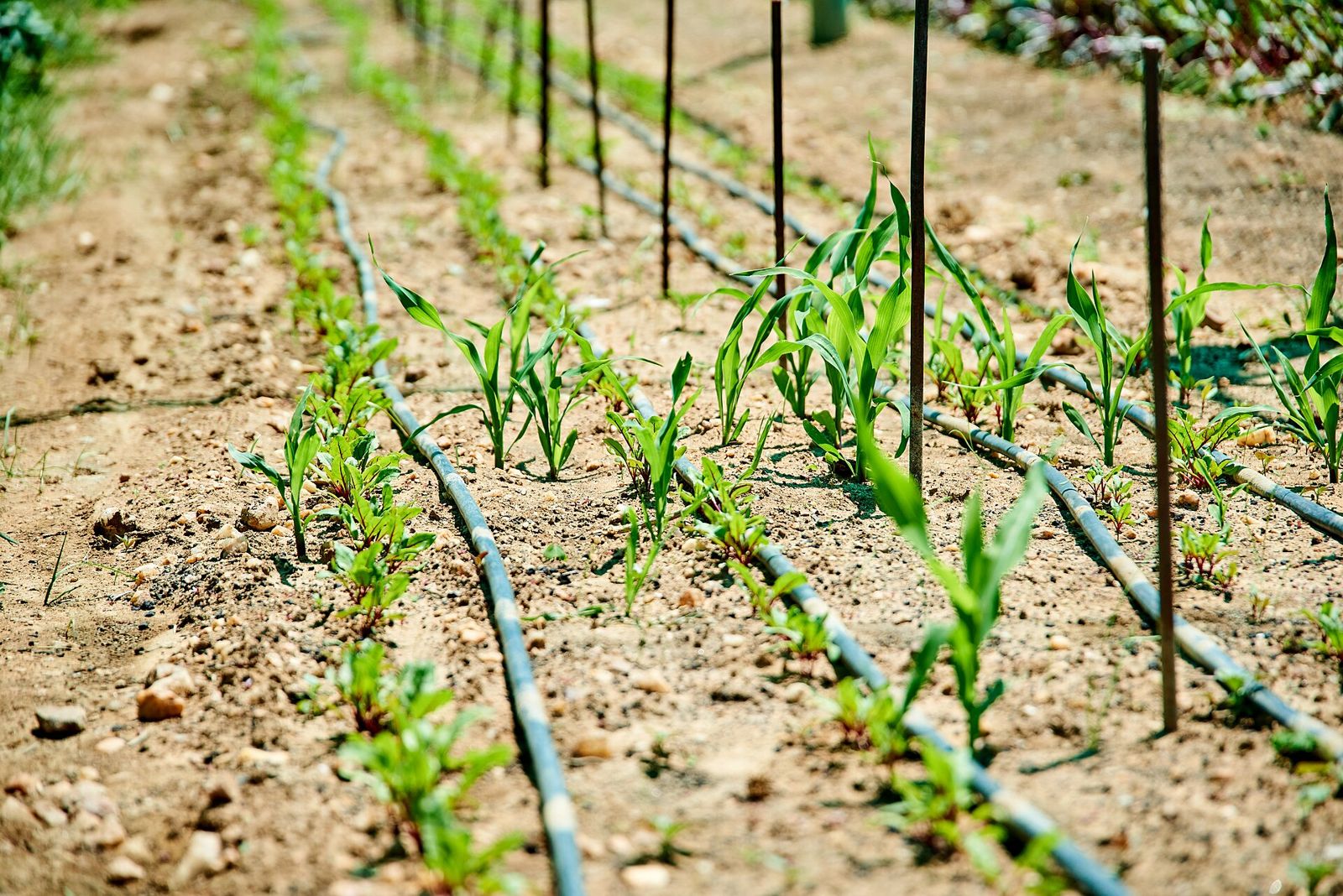
Photo: Tim Brunauer for GIZ, CC BY-SA 4.0, via Wikimedia Commons
The Opportunity
Agricultural economies around the world generate vast quantities of residue and by-product that remain commercially underutilised, with India among the largest. At the same time, upstream supply chains for textile, packaging and food processing inputs depend heavily on imported or synthetic alternatives that could be displaced by agri-residue-derived materials.
What NatSu Does
Our work in food is now partnerships and deal structuring rather than direct sales: agricultural residue as feedstock for biofuel, biochar back to the field, and market entry and partnership advisory for agritech companies.
Mandate Types
Market entry advisory, partnership and distribution structuring, joint venture structuring, biofuel feedstock agreements, biochar for agriculture.
Water

The Opportunity
Water scarcity and water quality are converging into a single structural challenge, from India and South Asia to the Middle East and Africa. Demand from agriculture, industry and municipal consumption is outpacing supply infrastructure in most major basins.
What NatSu Does
NatSu's water work centres on water recovery: condensing the vapour from dryers and recovering the water formed when syngas is combusted, in the plants we structure. Where a client faces a specific water problem, we are open to sourcing the solution that fits. One current engagement involves renewable-powered desalination, now in structuring.
Mandate Types
Water recovery structuring, technology sourcing, deployment deal structuring, water asset transactions.
Energy

Photo: Oregon Department of Forestry, CC BY 2.0, via Wikimedia Commons
The Opportunity
Carbon markets are nascent but accelerating, and clean energy projects in emerging markets need structured capital. Biochar, syngas recovery and industrial bio-waste conversion are moving from pilot to commercial scale, creating real opportunities for structured carbon finance and project transactions, in India and internationally.
What NatSu Does
NatSu works on both sides of the same process. In energy: bio-coal and biochar plants that supply fuel to steel and heavy industry, feedstock structuring for biofuel production, and advisory across technology, financing and offtake. In carbon: pyrolysis projects structured to earn high-value carbon removal credits, with our technical partner Always Carbon.
Mandate Types
Bio-coal and biofuel feedstock structuring, pyrolysis project structuring, carbon removal credit and biochar offtake, clean energy project fundraising.
Interested in a specific sector or mandate type? Get in touch to learn about current opportunities.
Start an enquiry